Most small businesses I work with have been running on a mix of phone photos and stock imagery for longer than they'd like to admit, and it usually shows in small, specific ways: a hero image that doesn't quite match the tone of the copy next to it, a product shot that looks like it belongs to a different brand entirely, or a website that could, with a few file name changes, belong to any business in the country.
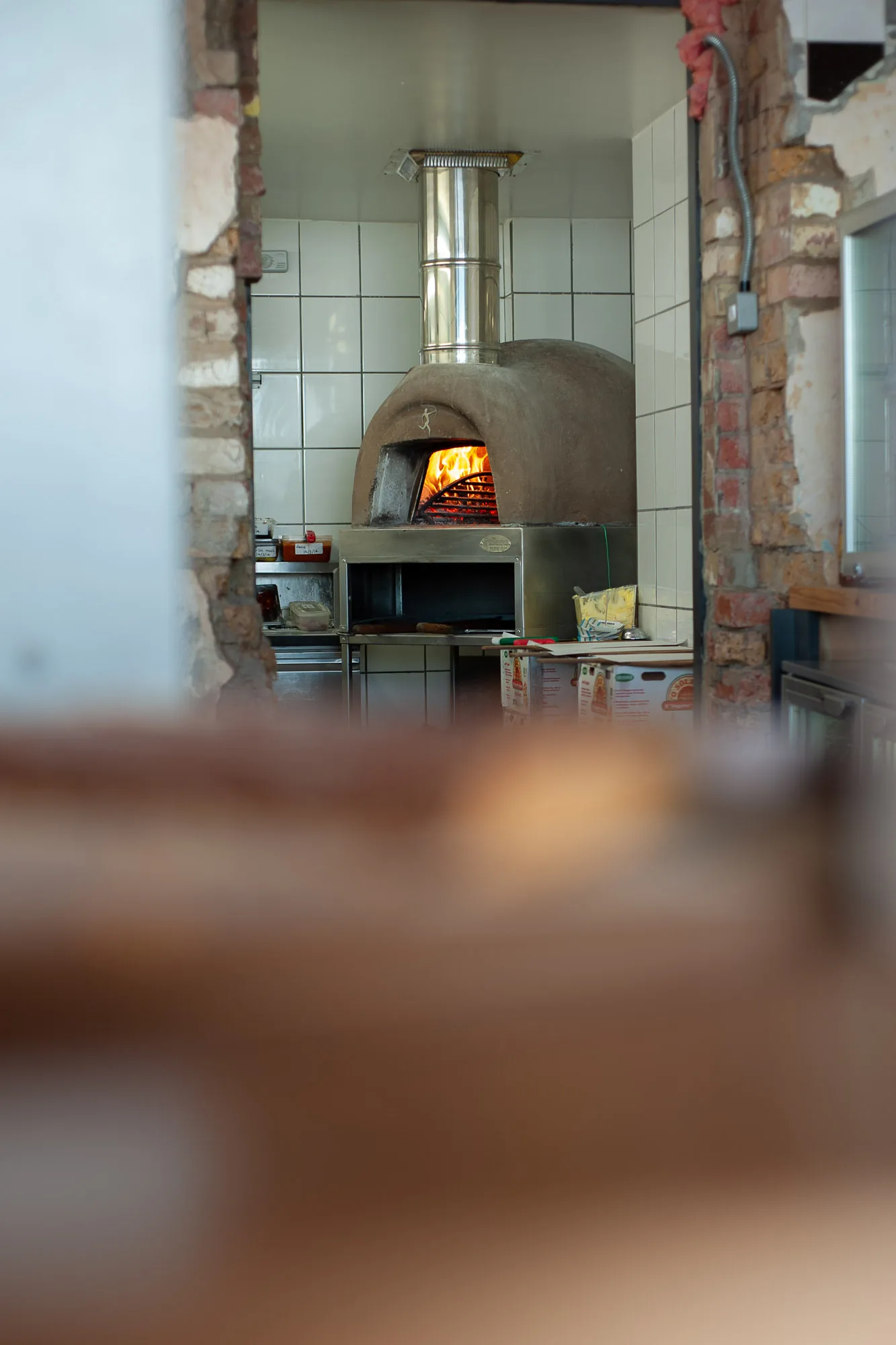
Brand photography's actual job is to close that gap. It isn't about making a business look more polished in some abstract sense, it's about making the photography on a website, a social feed or a set of print materials look like it was taken by someone who has actually been inside that business and paid attention to what makes it different. A wood-fired pizza oven photographed properly looks nothing like a stock photo of a wood-fired pizza oven, because the real one has its own light, its own texture, and usually a person working it who tells you more about the place than the food alone.
That's the pattern I see across the brand work I've done, from a growing restaurant group building out a proper image library, to a product manufacturer needing shots of specific equipment for a retail listing, to a hospitality brand whose photography ended up used well beyond the original brief, including press coverage they hadn't planned for. None of that happens with stock photography, because stock photography has no relationship to the actual product, place or people it's standing in for.
The other advantage of working with a photographer rather than a stock library is coverage that's built for how the content will actually be used. A single hero image is rarely enough. Businesses need workplace shots, product detail, signage, and images that work cropped square for social as well as wide for a website banner, and that's a shoot I plan for in advance rather than something I try to extract from a handful of general shots afterward.
If a business is still relying on stock photography, my honest view is that it's usually not a budget problem, it's a not-yet-photographed problem. Most businesses already have something worth photographing, whether that's a process, a product or simply the people who run it, and brand photography is just the process of noticing that and doing it properly.
More recently, I'm seeing AI-generated images, and increasingly AI-generated video, fill the same gap that stock photography used to. For a lot of small businesses the appeal is obvious: it's fast and it's cheap. What surprises people is how identifiable AI imagery usually still is, even when it's technically polished. Reflections don't quite match what they should be reflecting, small details like text or hands blur or repeat oddly, and skin, food or product textures often look slightly too smooth or too perfect in a way real material never does. None of that needs a trained eye. Most people notice something feels off even if they couldn't say exactly what.
There's also a shift in how audiences feel about it. Where an AI image might once have quietly passed as a shortcut, I get the sense there's more scepticism now, and sometimes real irritation, from people who feel misled once they realise a "photo" wasn't one. For a business built on trust, whether that's a restaurant, a tradesperson or a venue, that's a real risk to weigh against whatever the shortcut saves. A real photograph of a real product, place or person doesn't have that problem, because it doesn't need to convince anyone it's genuine. It just is.
It's also worth remembering how far a good image library actually travels once it exists. The same set of brand photography ends up in far more places than the original brief usually accounts for: a website relaunch, a pitch deck, an email signature, a supplier listing, a press request that arrives months later with no time to arrange a fresh shoot. Photography done properly once tends to keep earning its cost long after the shoot itself is finished, in a way neither stock nor AI imagery ever quite manages.
Hector's Eye works with businesses across Kent and London on brand and product photography, alongside live event, portrait and corporate event work, so the same eye for a story ends up applied consistently across everything a business needs.