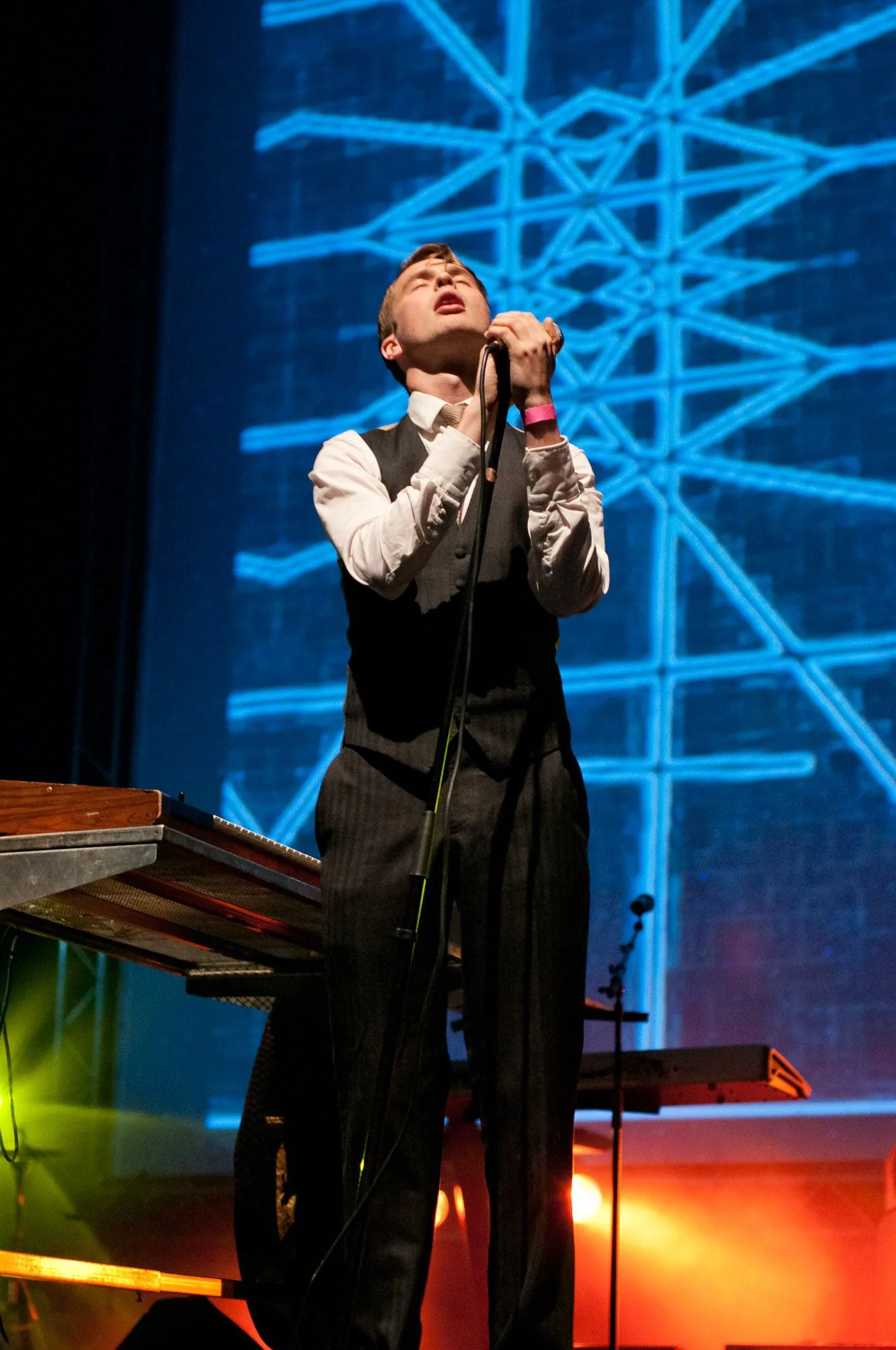
Live event photography is reportage led by the moment, not by preference. A gig, a match, a festival or a community event only happens once, in real time, and there's no version of the day where you ask everyone to do it again for the camera. Whether I'm covering a music festival, a local sports fixture, or a community event across Kent, I'm reading a room long before I lift the camera, working out where the light is coming from, where people naturally gather, and where the story of the day is likely to unfold next.
Because the moment can't be repeated, my job is to be positioned and ready rather than to stage anything. The energy in a crowd, the exact tilt of someone's head mid-performance, the split second a race is won, these things happen once and they happen on their own terms. That's a different discipline to portrait or corporate work, where there's usually a second chance if the first frame doesn't quite land, and it's one I've built up over years of moving through venues, pitches and stages without getting in anyone's way.
The preparation before a live event matters as much as anything I do once it starts, but preparation for live work means something slightly different to preparation for a planned shoot. I can plan the running order, the likely angles, and where I need to be at each stage, but I also have to be ready to drop all of that the moment something more interesting happens somewhere else in the room. Being well prepared, for this kind of work, mostly means being ready for whatever the day actually turns into rather than exactly what the schedule said it would be.
Multi-day events add another layer. On longer bookings, like festival-style coverage that runs across several days, the challenge shifts from single perfect moments to consistency, making sure day three still looks as sharp and considered as day one, when the light has changed, the crowd has changed, and I'm several thousand frames into the job. It's less about a single hero shot and more about building a set that a client can use across social, press and their own archive for years afterward.
Because most live events move fast and don't pause for a second take, I lean on gear that keeps up rather than gear that gets in the way. A fast, reliable body and lens combination, lighting that can be adjusted in seconds rather than minutes when I need a bit more control indoors, and audio and video running alongside stills so a client isn't choosing between a photographer and a videographer on the day. Increasingly, that's what live event coverage actually needs, a single point of contact who can deliver both without doubling the disruption on site.
If there's one thing I'd want anyone booking live event photography in Kent to know, it's that the best results come from briefing me on what's happening rather than on how to photograph it. Tell me the running order, who the key people are, and what matters most for social media afterward, and I'll work out the angles myself. That's the part I actually enjoy: watching an event unfold and finding the frame nobody else in the room would have thought to look for.
Outdoor events add a layer most people don't think about until it matters: weather, changing light through the day, and access. Knowing in advance whether I'll be shooting from a photo pit, a balcony, or ground level changes the lenses I bring and how early I need to arrive to get set up before doors open, so that detail is always worth including in a brief even if it feels minor at the time.
Hector's Eye covers live music, sport and community events across Ashford, Canterbury, Maidstone, Folkestone, Medway and into London. If you've got an event on the calendar, the earlier I know about it, the more time I have to plan for it properly, and the better prepared I'll be for whatever it actually turns into on the day.