Every portrait starts with the same question: who is this for, and what should the finished image actually feel like. That's what decides everything else, including where we shoot. Sometimes a location suggests itself, a client's office, a garden, a woodland path, but it's always in service of the portrait I'm trying to make, not the other way round.
Whether I've got a studio or not doesn't really come into it. What matters is the approach: something quieter and more considered for a still, thoughtful headshot, something with more energy and edge for someone used to performing. I decide the style first, based on the person and the brief, and the rest of the session is built around getting there.
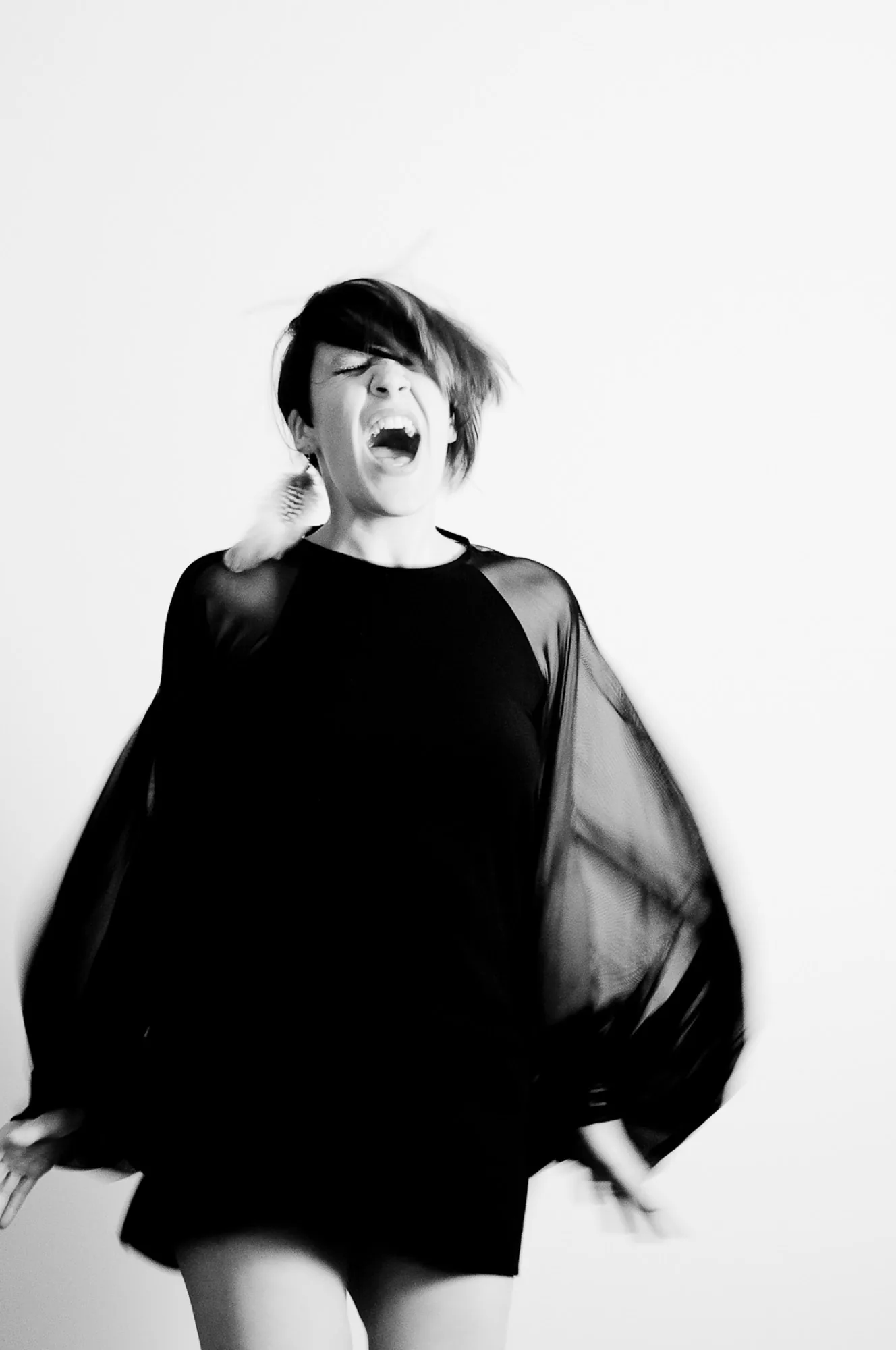
Editorial portraits, couples and the occasional pet all get treated the same way. I look at the person or the animal in front of me before I look at anything else, and I let my approach adapt to them rather than expecting them to adapt to a fixed way of working. Someone confident in front of a camera gets treated differently to someone who isn't, and a portrait of a performer mid-motion calls for a completely different feel to a still, considered headshot. There's no single house style I apply regardless of the brief, because the person in front of the lens changes what the portrait needs to be.
Weddings sit slightly apart from the rest of my portrait work. It isn't a core service, but I take on a handful each year for couples who want something more considered than a standard package, usually because they've seen portrait work elsewhere on the site and want that same treatment applied to their own day.
If you're picturing a formal studio session when you think about booking a portrait, it's worth knowing that isn't the only option, and often not the best one. What actually matters is deciding what the portrait should feel like and building everything else around that, so the person in front of the camera feels comfortable enough to stop performing for it and just be photographed.
Sessions usually run longer than people expect, not because the photography itself takes hours, but because the first part of any shoot is spent settling in. I'd rather spend twenty minutes letting someone get comfortable in front of the camera than rush straight to the shots I already had in mind, because the portraits that end up working are almost always the ones taken once someone has stopped noticing the camera is there.
If you're considering portrait photography in Kent, it's worth thinking about location as much as the photographer. The right spot, lit properly, does more for a portrait than four studio walls ever will.